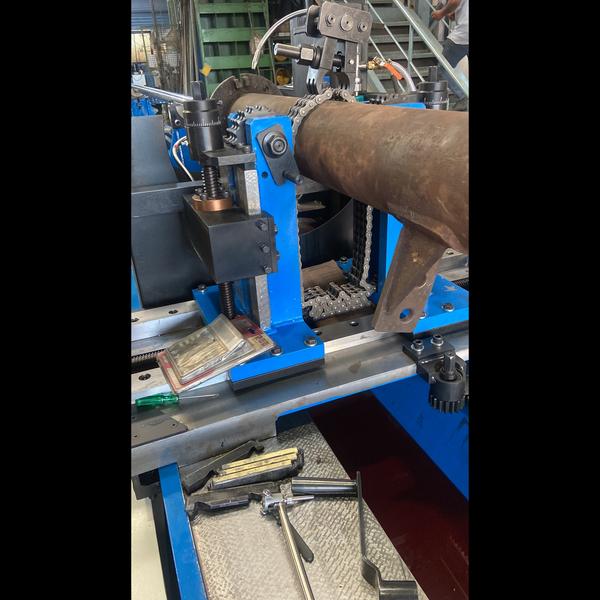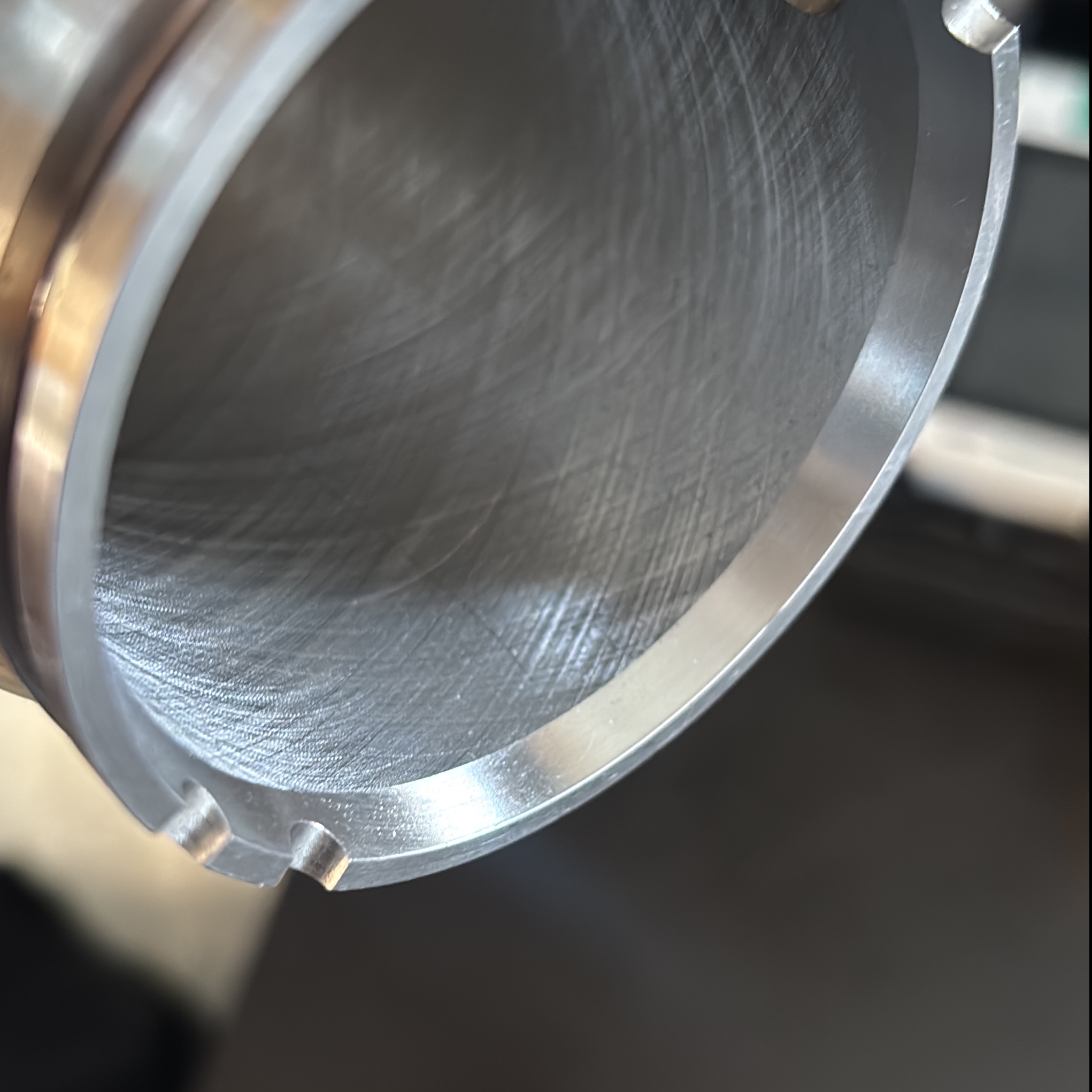
Plateau honing is a two-step finishing sequence: first create deep valleys with a rough hone, then truncate surface peaks with a finer hone or brush to leave smooth plateaus that retain oil. The process is controlled with texture targets like the Rk parameters to balance bearing area and lubrication capacity .
Step-by-step
1. Pre-machining: Bore/rough-hone to near size, leaving allowance for finishing; ensure proper cross‑hatch capability by selecting stones, bond, and coolant suited to the material.
2. Rough hone (valley formation): Use coarser abrasive stones with controlled spindle speed and stroke to establish geometry (roundness, cylindricity) and cut deeper grooves/valleys in a consistent cross‑hatch angle.
3. Intermediate clean and inspect: Verify size, straightness, and cross‑hatch angle; clean debris to prevent embedding before final finishing
4. Plateau step (peak removal): Switch to finer stones or use a plateau brush/ball‑hone for brief, light passes to clip peaks while preserving valleys, increasing bearing area and reducing break‑in
5. Texture verification: Measure surface using Rk family parameters—target lower (peaks), adequate (core), and sufficient (valley) for oil retention; some specs also set material ratios
6. Final cleaning: Thorough clean to remove abrasive fines and swarf; residual debris can accelerate wear and negate benefits of plateauing.
Outcomes and benefits
• Smoother plateaus with retained valleys reduce friction, shorten break‑in, improve sealing, and cut oil consumption and blow‑by in engines