Preparation
• Fixture and simulate service distortion: Install torque plates and torque the block/caps to spec so the bore is honed in its stressed shape for best geometry control .
• Leave stock for honing: After boring, reserve roughly 0.003 in (about 0.075 mm) for honing; plan to rough to within ~0.0005 in (0.013 mm) of final size before the plateau step .
• Select abrasives/coolant: Choose coarse stones for valley formation, then finer stones or a brush/ball-hone for plateauing; diamond/CBN may be used for hard liners with finer grit for the plateau pass.
Rough hone (valley formation)
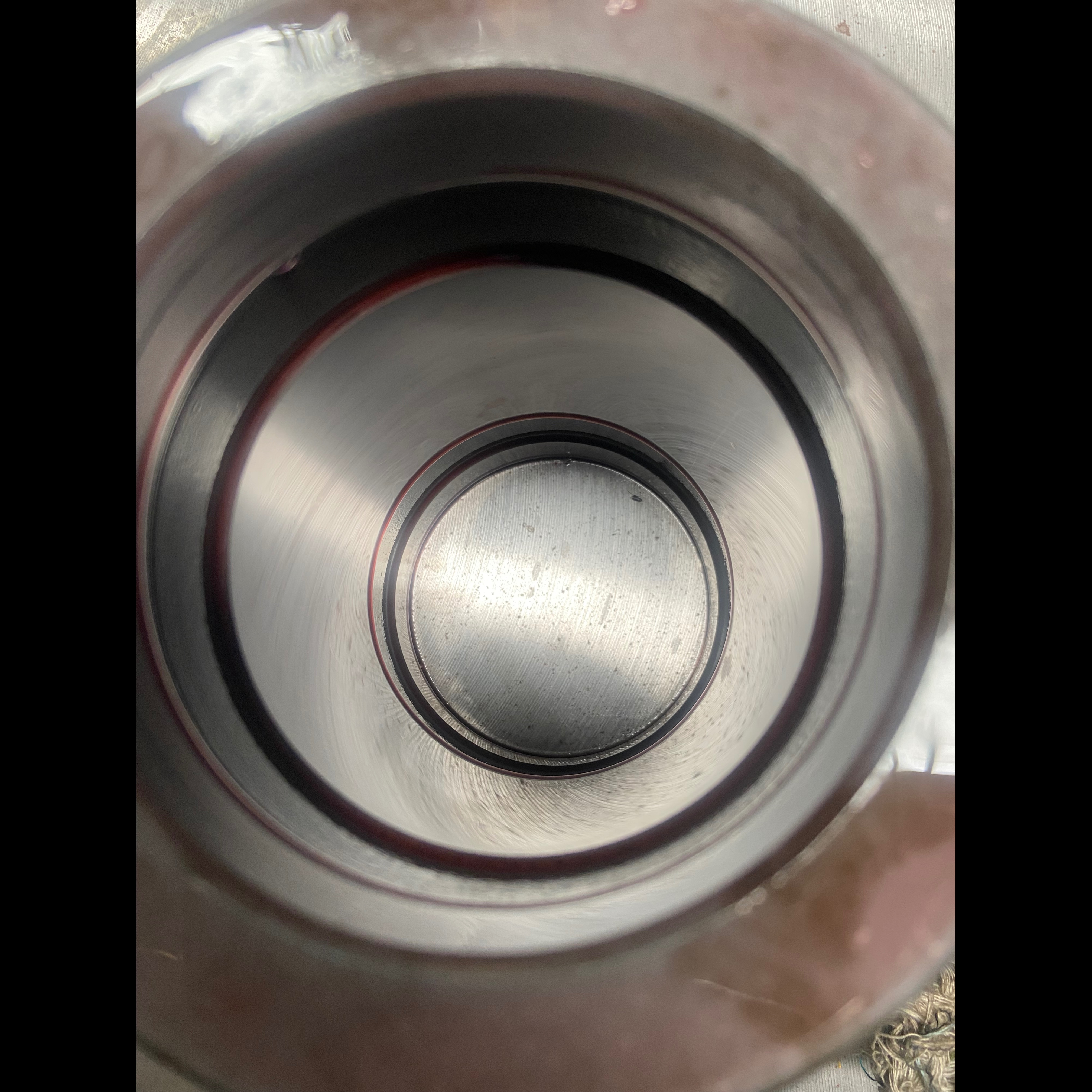
• Geometry and cross‑hatch: Use coarser vitrified/metal‑bond stones to bring the bore to near size, improve roundness/cylindricity, and establish a consistent cross‑hatch angle; keep angle per application guidance to balance oil control and ring rotation .
• Target size: Rough hone down to within about 0.0005 in (0.013 mm) of final, preparing for the finishing/plateau step with finer media
Intermediate clean and inspect
• Clean out swarf: Rinse and wipe to avoid embedding debris before the plateau pass, which affects texture and metrology .
• Verify setup: Check size, taper, and cross‑hatch angle and adjust stroke/spindle ratio if needed to keep the angle consistent across the bore
Plateau step (peak truncation)
• Finer stones or brush: Perform light, brief passes with ~#400–#600 grit stones or a dedicated plateau brush/ball‑hone to clip peaks while preserving valleys; typical guidance includes #400+ conventional or ~#600 diamond for the plateauing pass .
• Time and technique: Maintain the established cross‑hatch while plateauing; many procedures recommend ~30 seconds per bore with fine media to avoid over-smoothing valleys .
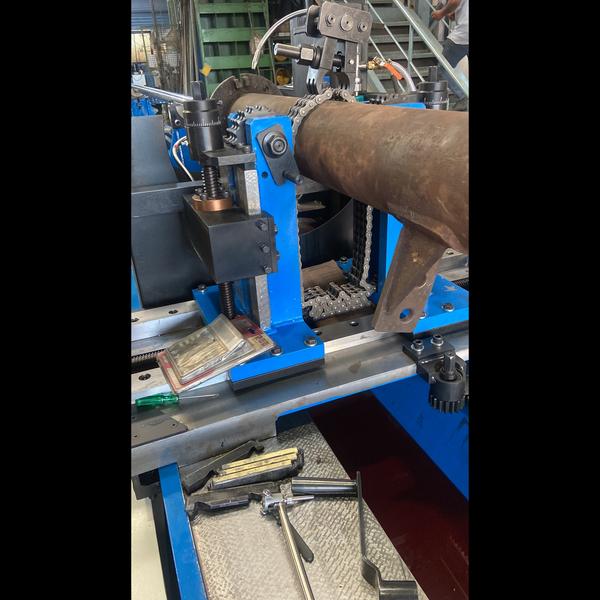
• Tools that help: Nylon filament plateau tools and ball-style flexible hones remove folded/loose material and truncate peaks cleanly, aiding oil retention and faster ring seating .
Metrology and acceptance
• Use Rk family parameters: Verify the texture with (peaks), (core), (valleys), and material ratios ; don’t rely on alone because different textures can share the same .
• Typical finish window: Many engine applications target approximately 0.30–0.60 μm Ra for plateaued bores, while ensuring adequate for oil retention; always follow the OEM spec .
• Geometry check: Confirm low roundness/taper variation alongside texture; tight geometry supports ring seal and wear life
Final cleaning and protection
• Deep clean: Wash bores thoroughly with hot soapy water and a stiff nylon brush; solvents alone are insufficient to remove the fine abrasive residue from the valleys .
• Dry and oil: Dry the cylinders and coat with protective oil; re‑wipe before final assembly to remove any new dust picked up during handling
Notes and controls
• Cross‑hatch angle control: Set mainly by spindle speed to stroke speed ratio; keep consistent through both rough and plateau passes for uniform lubrication behavior .
• Avoid over‑plateauing: Too much fine honing or brushing can reduce and impair oil retention, even if looks acceptable—confirm with the Rk parameters and material ratio curve
Talk to us to know more about Plateau honed surfaces.